
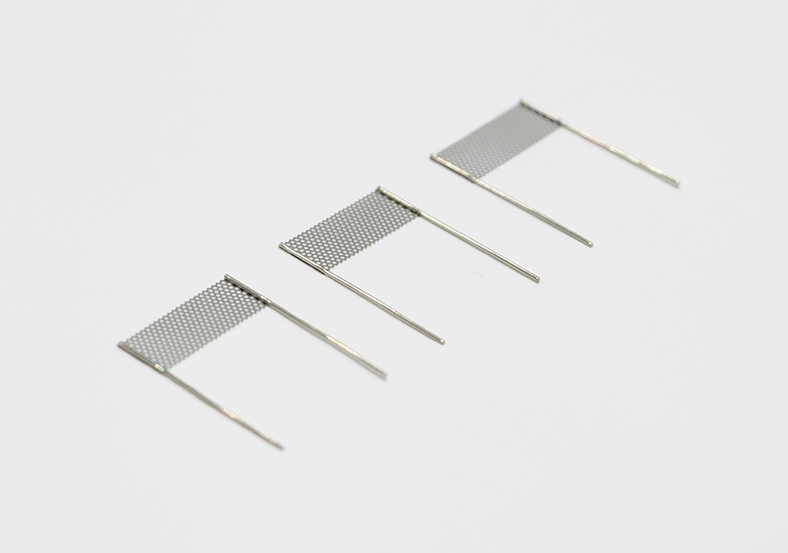
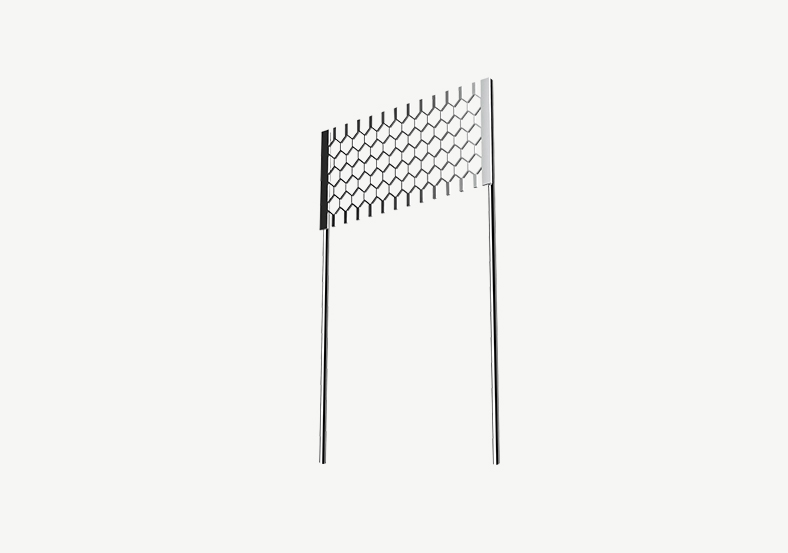
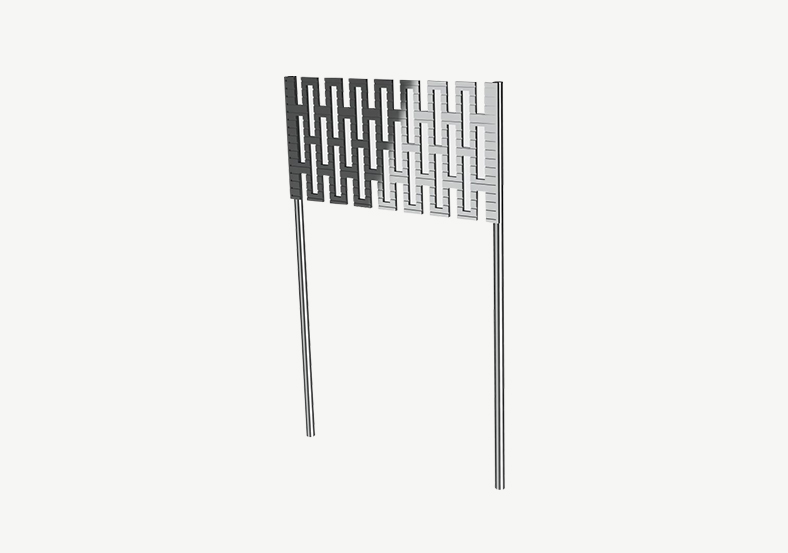
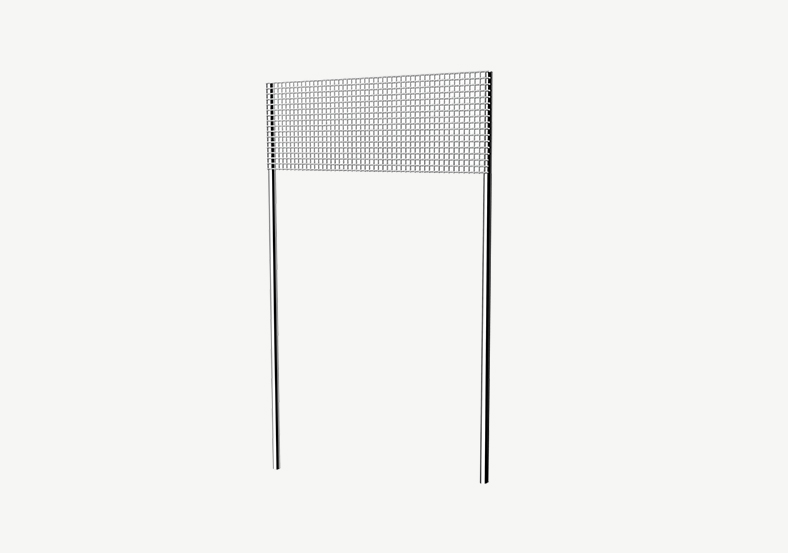
• Heating Wire with Welded Steel Sheet Lead Wires
  • Heating Wire with Welded Steel Sheet Lead Wires
  • Heating Wire with Welded Steel Sheet Lead Wires
  • Heating Wire with Welded Steel Sheet Lead Wires
  • video

Heating Wire with Welded Steel Sheet Lead Wires

  • HCD华诚达
Heating Wire with Welded Steel Sheet Lead Wires. ​Electrical Connectivity Advantages: 1. Low Impedance and Stable Conductivity - The leads are made of highly conductive materials (such as nickel, stainless steel, or tinned copper wire), welded or crimped integrally with the heating mesh, resulting in low contact resistance (usually <0.05Ω) to ensure rapid current transmission and reduce energy loss. - The lead surface can be treated with anti-oxidation coatings (such as nickel or gold plating), which are not prone to oxidation or blackening during long-term use, maintaining stable conductivity and avoiding atomization failure or power attenuation due to poor contact. 2. Plug-and-Play Convenience - The leads can be directly inserted into the electrode posts of the atomizer core or the socket of the device's mainboard without complex soldering processes, simplifying the assembly process and adapting to fast automated production line assembly to improve production efficiency. - For replaceable atomizer cores (Replacement Coil), users can quickly replace the heating component via the leads, reducing the usage threshold. Structural Design Features: 1. Precision Lead Positioning and Strong Adaptability - The spacing, length, and angle of the leads can be customized according to the atomizer core model (e.g., spacing 2.5mm, length 5-8mm), precisely matching the electrode structures of different brand devices and compatible with various atomizer designs (such as open and closed atomizer cores). - Rigid leads (such as stainless steel) provide structural support to ensure the heating mesh is firmly fixed within the atomizer core, preventing displacement or short circuits caused by vibration. 2. Tensile Resistance and Fatigue Resistance - The leads are made of high-strength metal wire (diameter 0.3-0.8mm), capable of withstanding bending or pulling during assembly (e.g., ≥10 repeated bends without breakage), suitable for high-frequency replacement scenarios. - Flexible lead designs (such as multi-stranded twisted wires) can adapt to special-shaped atomizer core structures, enhancing installation flexibility and reducing fracture risks caused by stress concentration. Performance Optimization Advantages: 1. Rapid Heat Conduction and Temperature Uniformity - As part of the heat conduction path, the leads assist the heating mesh in rapid temperature rise (reaching operating temperature within 0.2 seconds). Meanwhile, optimized lead layout (such as symmetrical distribution) makes the heat distribution on the mesh surface more uniform (temperature difference ≤5℃), reducing core burning issues caused by local overheating. 2. Anti-Leakage and Airflow Optimization - The sealing design of the leads with the atomizer core cavity (such as silicone O-rings wrapping the leads) prevents e-liquid leakage from the electrode holes. Combined with the porous structure of the mesh (pore size 50-100μm), it balances the efficiency of oil conduction and storage, improving anti-leakage performance. - The lead position avoids the main airflow channel to reduce airflow resistance, ensuring smooth smoke discharge while preventing lead corrosion caused by contact with condensate. Durability and Safety: 1. Corrosion Resistance and Long Lifespan - The lead materials are resistant to e-liquid corrosion (such as 316 stainless steel resistant to VG/PG corrosion) and not prone to rust in high-humidity environments, with a service life of 500-800 puffs (approximately 3-5ml of e-liquid), an increase of over 20% compared to traditional heating wire components. - The lead welding points use laser welding technology with high bonding strength (tensile force ≥5N), avoiding solder joint detachment caused by thermal expansion and contraction during long-term use. 2. Overload Protection Compatibility - The leads can integrate temperature sensors (such as NTC thermistors) or fuses to monitor the temperature of the heating mesh in real time. When the temperature exceeds the threshold (e.g., 300℃), the power is automatically cut off to prevent safety hazards caused by dry burning, complying with safety standards such as IEC 60650-1. Application Scenario Adaptability: - Closed Pod Systems: Leads adapt to miniaturized electrode interfaces (such as spring-loaded pin types), meeting electrical connection needs in compact spaces, commonly used in disposable atomizer cores or pre-filled e-liquid cartridges. - Open RTA/RDA Atomizers: Long leads (such as over 10mm) support users in self-adjusting welding positions, adapting to personalized modification needs of DIY atomizer cores. Heating meshes with leads address the pain points of traditional heating components (such as bare wires or leadless meshes) in installation convenience, conductivity, and durability through electrical connection innovations and structural optimizations. Their core competitiveness lies in plug-and-play efficient assembly, stable power transmission, anti-leakage design, and long lifespan performance* With the miniaturization and smartization of e-cigarettes, heating meshes with leads will become the mainstream solution, particularly in closed atomizer cores and high-end taste-focused devices. 3.Uniform Heating, Consistent Flavor​. Optimized pin layout ensures even heat distribution, reducing hot spots and improving vapor consistency by 50%. 4.​​Universal Compatibility​. Compatible with 5W–30W, suitable for closed/small-vape devices, open-tank systems. 5.Durable & Corrosion-Resistant​.

Heating Wire with Welded Steel Sheet Lead Wires.

Electrical Connectivity Advantages: 1. Low Impedance and Stable Conductivity - The leads are made of highly conductive materials (such as nickel, stainless steel, or tinned copper wire), welded or crimped integrally with the heating mesh, resulting in low contact resistance (usually <0.05Ω) to ensure rapid current transmission and reduce energy loss. - The lead surface can be treated with anti-oxidation coatings (such as nickel or gold plating), which are not prone to oxidation or blackening during long-term use, maintaining stable conductivity and avoiding atomization failure or power attenuation due to poor contact. 2. Plug-and-Play Convenience - The leads can be directly inserted into the electrode posts of the atomizer core or the socket of the device's mainboard without complex soldering processes, simplifying the assembly process and adapting to fast automated production line assembly to improve production efficiency. - For replaceable atomizer cores (Replacement Coil), users can quickly replace the heating component via the leads, reducing the usage threshold.

Structural Design Features: 1. Precision Lead Positioning and Strong Adaptability - The spacing, length, and angle of the leads can be customized according to the atomizer core model (e.g., spacing 2.5mm, length 5-8mm), precisely matching the electrode structures of different brand devices and compatible with various atomizer designs (such as open and closed atomizer cores). - Rigid leads (such as stainless steel) provide structural support to ensure the heating mesh is firmly fixed within the atomizer core, preventing displacement or short circuits caused by vibration. 2. Tensile Resistance and Fatigue Resistance - The leads are made of high-strength metal wire (diameter 0.3-0.8mm), capable of withstanding bending or pulling during assembly (e.g., ≥10 repeated bends without breakage), suitable for high-frequency replacement scenarios. - Flexible lead designs (such as multi-stranded twisted wires) can adapt to special-shaped atomizer core structures, enhancing installation flexibility and reducing fracture risks caused by stress concentration.

Performance Optimization Advantages: 1. Rapid Heat Conduction and Temperature Uniformity - As part of the heat conduction path, the leads assist the heating mesh in rapid temperature rise (reaching operating temperature within 0.2 seconds). Meanwhile, optimized lead layout (such as symmetrical distribution) makes the heat distribution on the mesh surface more uniform (temperature difference ≤5℃), reducing core burning issues caused by local overheating. 2. Anti-Leakage and Airflow Optimization - The sealing design of the leads with the atomizer core cavity (such as silicone O-rings wrapping the leads) prevents e-liquid leakage from the electrode holes. Combined with the porous structure of the mesh (pore size 50-100μm), it balances the efficiency of oil conduction and storage, improving anti-leakage performance. - The lead position avoids the main airflow channel to reduce airflow resistance, ensuring smooth smoke discharge while preventing lead corrosion caused by contact with condensate.

Durability and Safety: 1. Corrosion Resistance and Long Lifespan - The lead materials are resistant to e-liquid corrosion (such as 316 stainless steel resistant to VG/PG corrosion) and not prone to rust in high-humidity environments, with a service life of 500-800 puffs (approximately 3-5ml of e-liquid), an increase of over 20% compared to traditional heating wire components. - The lead welding points use laser welding technology with high bonding strength (tensile force ≥5N), avoiding solder joint detachment caused by thermal expansion and contraction during long-term use. 2. Overload Protection Compatibility - The leads can integrate temperature sensors (such as NTC thermistors) or fuses to monitor the temperature of the heating mesh in real time. When the temperature exceeds the threshold (e.g., 300℃), the power is automatically cut off to prevent safety hazards caused by dry burning, complying with safety standards such as IEC 60650-1.

Application Scenario Adaptability: - Closed Pod Systems: Leads adapt to miniaturized electrode interfaces (such as spring-loaded pin types), meeting electrical connection needs in compact spaces, commonly used in disposable atomizer cores or pre-filled e-liquid cartridges. - Open RTA/RDA Atomizers: Long leads (such as over 10mm) support users in self-adjusting welding positions, adapting to personalized modification needs of DIY atomizer cores. Heating meshes with leads address the pain points of traditional heating components (such as bare wires or leadless meshes) in installation convenience, conductivity, and durability through electrical connection innovations and structural optimizations. Their core competitiveness lies in plug-and-play efficient assembly, stable power transmission, anti-leakage design, and long lifespan performance. With the miniaturization and smartization of e-cigarettes, heating meshes with leads will become the mainstream solution, particularly in closed atomizer cores and high-end taste-focused devices.

Related Products

Get the latest price? We will reply as soon as possible (within 12 hours)