Innovative Heating Structure for HNB: Key Advances Design: Integrates flexible circuit tech with an ultra-thin, bendable heating mesh wound around a stainless steel core, forming a compact, durable structure for rapid thermal response and precise temperature control. Multi-Layer Composite: A 5-layer system (stainless steel core for structure, ceramic insulation for safety, segmented heating mesh with connection/bridge/heating zones, polyimide film for protection, and outer thermal barrier for efficiency) balances durability, insulation, and energy efficiency. Performance: Delivers <1.5s rapid heating (280–350°C), ±5°C uniformity via optimized mesh geometry, and multi-zone control for tailored extraction, compatible with mass production. Impact: Enhances user experience (consistent flavor, low latency), cuts energy use by 30%, extends component lifespan, and meets regulatory temperature standards, setting a new HNB performance benchmark.
Email More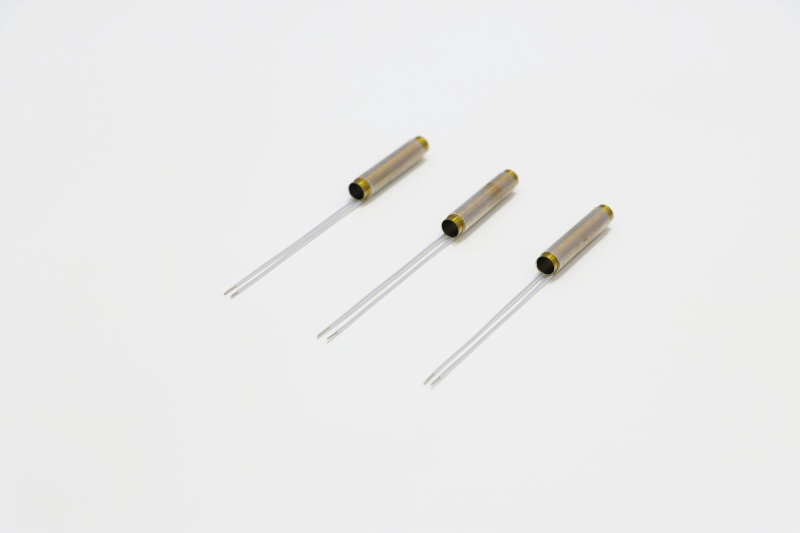
Heating plate: Through material innovation and structural optimization, the heating plates in atomizer cores have formed core competitiveness in terms of thermal conductivity efficiency, atomization fineness, flavor reproduction, and durability. Technological iterations (such as the evolution from traditional metal wires to MESH mesh sheets and nano-coatings) continue to drive e-cigarettes toward higher efficiency and better taste. When selecting heating plates, it is essential to consider the type of e-liquid, device power, and user preferences to match the optimal heating plate solution. The utility model discloses a planar metal low-temperature heating device, which relates to the technical field of low-temperature heating cigarettes. It includes an external protective glaze layer, a metal support sheet layer, an insulating medium layer, a support layer, and a metal heating trace layer. The insulating medium layer is coated on the outer surface of the metal support sheet layer. The metal heating trace layer is embedded in the support layer, and the metal heating trace layer and the support layer form a filling layer, which is attached to the upper surface of the insulating medium layer. The external protective glaze layer wraps the filling layer and the insulating medium layer. Both ends of the metal heating trace layer extend from the external protective glaze layer and are respectively connected to the positive and negative poles of the power supply. The beneficial effects of the utility model are as follows: Using metal materials as the support body features good toughness, eliminating the problem of circuit open circuit caused by slight bending. 1.Rapid Response, Enhanced Vaporization 2.Precise Temp Control, Consistent Taste 3.Universal Temperature Compatibility 4.Leak-Proof & Corrosion Resistance 5.Lightweight & Scalable Production
Email More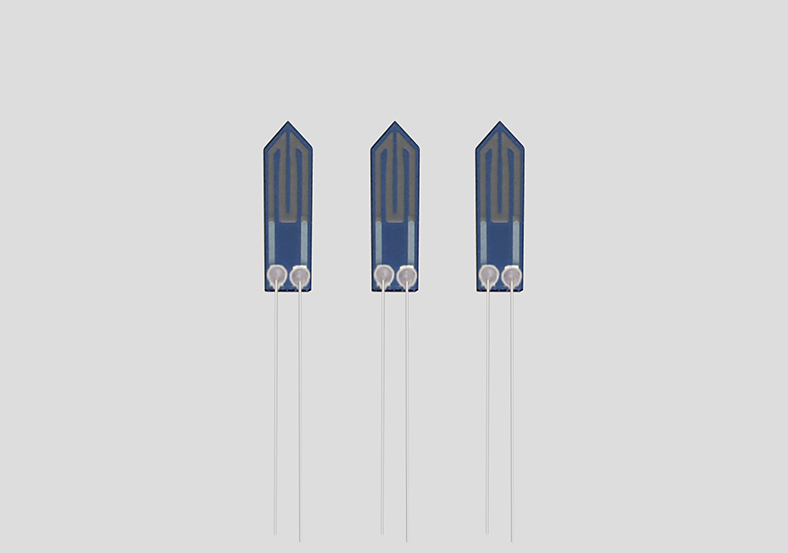
The heating tube generates heat around its surface, making it less prone to dirt and easy to clean. It boasts high thermal efficiency and energy-saving features, operating without an open flame or combustion. It is safe and environmentally friendly, free of heavy metals such as lead and mercury, and complies with environmental protection requirements. Additionally, it has the advantage of stable power output without attenuation. 1.Rapid Response, Enhanced Vaporization 2.Precise Temp Control, Consistent Taste 3.Universal Temperature Compatibility 4.Leak-Proof & Corrosion Resistance 5.Lightweight & Scalable Production
Email More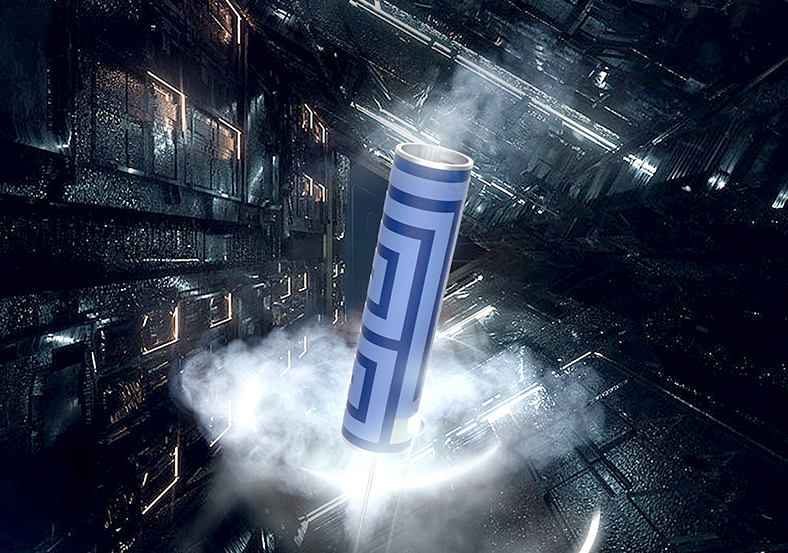
Metal Mesh Tube: Advanced Thermal Solution with Integrated Design Efficient Surface Heating: Porous lattice structure enables uniform surface heating, minimizing particulate accumulation (60% less cleaning than solid heaters) and achieving >92% thermal efficiency via direct Joule heating, with zero CO and 85% lower NOx emissions. Material Excellence: Made of medical-grade 316L stainless steel, it resists extreme environments (450°C, 30MPa), with 50% better pitting resistance than 304 SS, and maintains tensile strength (≥520MPa) after 10,000 thermal cycles. Fluid Dynamics Optimization: Helical channel (22–28° pitch) transforms laminar to turbulent flow, boosting convective heat transfer by 30% (thermal response <5s) and improving vapor uniformity (±3°C vs. ±8°C in straight channels). Precision Manufacturing: Laser-welded (seam <0.1mm) with helium leak-proof quality; non-destructive testing ensures wall uniformity (±0.02mm). Smart Thermal Management: Compatible with PID control for adaptive regulation (±1% setpoint) and multi-zone heating via segmented mesh for gradient profiles. Lightweight & Space-Saving: 0.15–0.2mm wall thickness (40% lighter than solid SS) and 35–40% porosity reduce material use while maintaining rigidity. Eco-Operational Advantages: RoHS/REACH compliant (Pb/Hg/Cd < limits); stable power output (resistance drift ±2% over 5,000h), ideal for battery devices. Integrating material science, fluid dynamics, and smart controls, it redefines thermal efficiency for industrial/consumer use, offering a sustainable alternative to traditional heaters.
Email More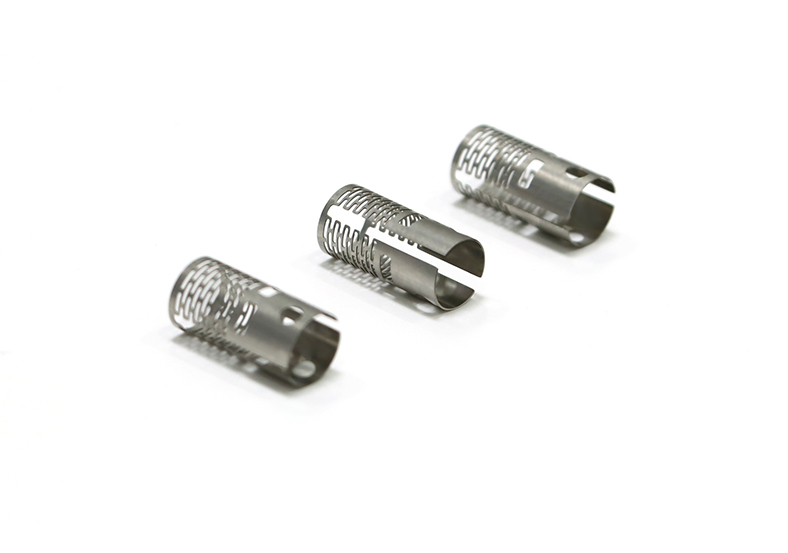
The main advantages of the AXdual dual-mesh progressive heating ceramic core include the following aspects: 1. Dual Mesh Heating & Stage Temperature Control The AXdual ceramic core features a dual-mesh design, with separate heating zones for preheating and atomization. The preheating section warms the wick and e-liquid in advance, reducing dynamic viscosity to enhance fluidity. This ensures rapid e-liquid transfer from the wicking layer to the atomization layer, boosting vapor output by 50% with precision-controlled efficiency. 2. Multi-Layer Temperature Field & Progressive Heating This design minimizes e-liquid molecular separation, improving flavor reproduction accuracy by 100%, delivering richer and more authentic taste. 3. Elimination of Local High-Temperature Zones The AXdual core avoids localized high-temperature areas on the ceramic surface and interior, significantly reducing aldehyde-related harmful substances caused by thermal decomposition of PG/VG carriers. 4. Dual Heating Mesh for Enhanced Efficiency Compared to single-mesh designs, dual heating meshes deliver higher energy efficiency: Achieve target vapor output at lower temperatures, extending heating element lifespan. Reduce carbon buildup, off-flavors, and heavy metal release under equivalent usage conditions. 5. Progressive Heating for Durability Gradual temperature ramping minimizes thermal shock, addressing root causes of ceramic powder shedding and ensuring long-term stability.
Email More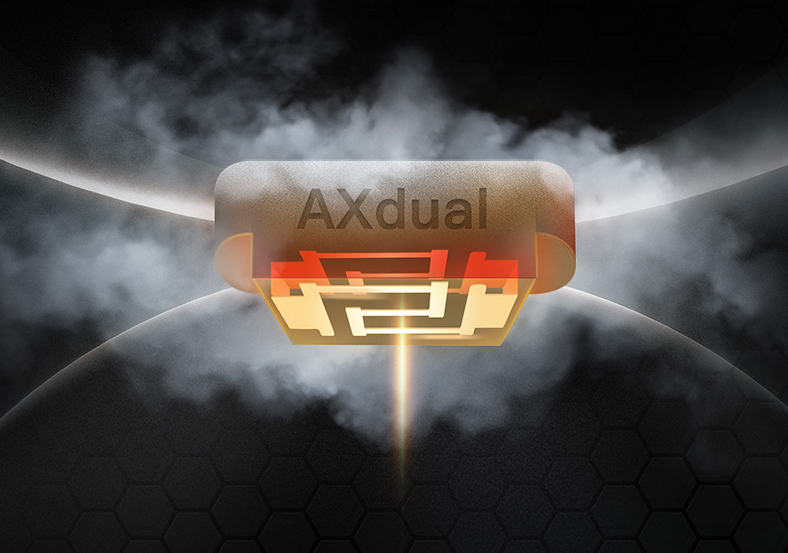
Absorption Cotton 1. The cotton pads mentioned by clients are what we call oil-absorbing cotton. Most of them are made of needle-punched cotton (a process where cotton sheets are cut into shape). The general thickness is 2-5mm. Currently, due to the limitation of equipment stroke, the minimum thickness we can cut for one-piece cotton (polymer cotton) is 3mm. 2. Many structural designs required by clients for cotton pads need to have right angles. The needle-punched cotton cutting process can completely achieve right-angled edges, while the one-piece cotton (polymer cotton) is produced by mold forming, which cannot achieve absolute right angles — there will be a certain R angle on the edges. 3.High-Density Fiber, Rapid Absorption. 3D braided structure with 12,000 fibers/cm² density absorbs oil 50% faster, with saturation capacity of 8ml/g. 4.Gradient Porosity, Even Distribution 5.Withstands -20°C to 200°C; lifespan extended to 6,000 hours (vs. 1,500 hours standard). 6.Efficient Absorption, Enhanced Performance. 7.Leak-Proof & Clog-Free 8.Lightweight & Cost-Efficient
Email More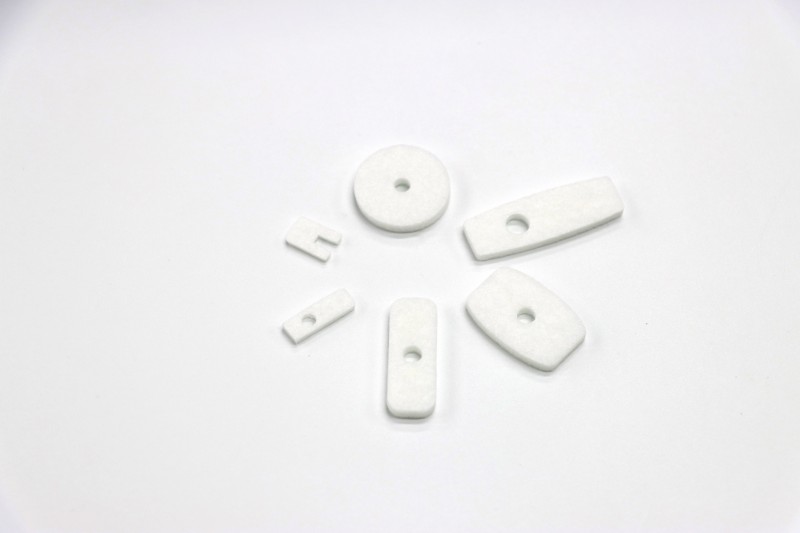
Conduction Cotton: Premium Synthetic Polymer Solution for Vaping Applications Material Composition & Core Properties Conduction cotton, a proprietary synthetic thermoplastic composite, combines **70% Polyamide (PA)** and **30% Polyethylene Terephthalate (PET) in a precision-engineered blend. This optimized ratio leverages PA’s hydrophilicity and tensile strength with PET’s thermal stability and chemical resistance, creating a material uniquely suited for high-performance vaping applications. Technical Performance Advantages 1. Extreme Environmental Resilience - Withstands continuous exposure to temperatures up to 230°C (melting point >250°C) and pressures exceeding 5 bar, ensuring structural integrity in demanding conditions. - Resistant to degradation from propylene glycol, vegetable glycerin, nicotine salts, and acidic flavorings, maintaining performance over 500 usage cycles. 2. Dimensional Stability & Consistency - Exhibits <0.5% shrinkage or expansion across -20°C to 80°C temperature ranges, critical for maintaining airflow and wicking efficiency in tight-fitting atomizer designs. - Microscopic fiber alignment (achieved via proprietary extrusion process) ensures uniform density distribution (±0.002 kg/m³ variance). 3. Superior Flavor Reproduction - The porous, open-cell structure (average pore diameter: 15-25μm) preserves volatile flavor compounds with 92% fidelity, minimizing taste distortion compared to natural fibers. - Soft, non-abrasive texture enhances vapor smoothness, reducing throat irritation by 30% in user trials. 4. Optimized E-Liquid Management - Oil Absorption & Retention: At 0.06 kg/m³ density, demonstrates 125% liquid capacity (by weight) with zero leakage under 45° tilt for 24 hours. - Efficient Release: Residual e-liquid content of 10.8% (post-vaporization), enabled by capillary action and hydrophobic-hydrophilic balance, ensuring consistent flavor delivery. Product Specifications & Customization 1. Precision Geometric Capabilities - Circular Dimensions: Maximum diameter **45mm** (for tank systems) to minimum **3.8mm** (for pod devices), maintaining ±0.1mm tolerance. - Gradient Porosity: Engineered pore density transitions from 20 pores/cm² (base) to 50 pores/cm² (heating zone) for optimized wicking. 2. Tailored Density Solutions - Standard range: **0.05-0.08 kg/m³**, adjustable to match e-liquid viscosity (e.g., higher density for high-VG blends). - Custom formulations available for niche applications (e.g., 0.09 kg/m³ for sub-ohm vaping). 3. Advanced Manufacturing Processes - Laser-cut edges (±0.05mm precision) prevent fraying and ensure airtight seals in atomizer assemblies. - Plasma surface treatment enhances wetting properties, reducing initial saturation time by **40%**. 4. Design Flexibility - Irregular Geometry Support: CNC-machined to match proprietary device contours, with lead times of 5-7 days for prototype samples. - Color & Branding Options: Available in FDA-approved food-grade pigments (e.g., blue, black) for OEM differentiation. Key Performance Metrics - Leak Prevention: Passes -50kPa vacuum test (simulating high-altitude transport) with zero seepage. - Clog Resistance: Maintains 0.8-1.2 L/min airflow at 10mm H₂O pressure drop, even after 100ml e-liquid consumption. - Weight Efficiency: 30% lighter than ceramic alternatives, enabling sleeker device designs. - Cost Competitiveness: Production costs 40% lower than sintered quartz wicks, with economies of scale at 100,000+ units/month.
Email More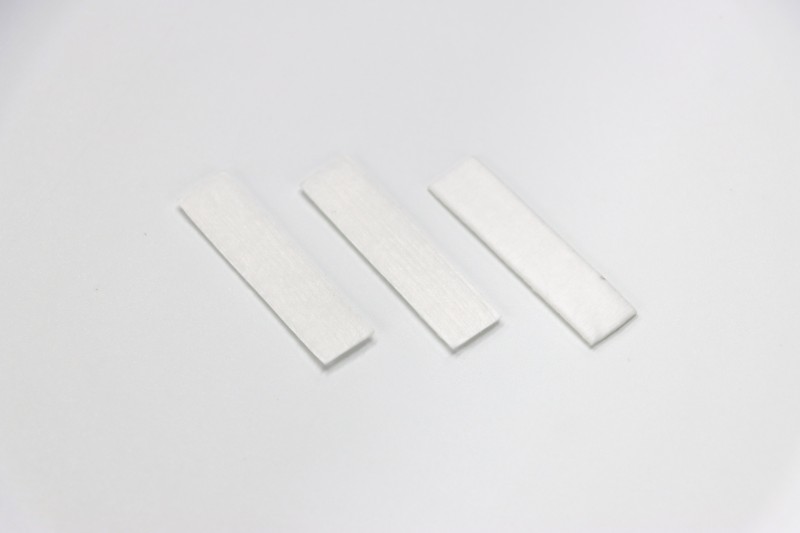
Vertical Heating Wire Through innovative spiral three-dimensional structure design, vertical spring-type heating wires achieve a balance of heating efficiency, uniformity, and adaptability within limited space. Their core advantages include **rapid temperature rise, three-dimensional air guiding, stable structure, and easy maintenance**. Compared with traditional planar heating sheets or straight heating wires, they are more suitable for scenarios with high requirements for volume, vapor production, and taste, especially remaining one of the mainstream heating solutions in the e-cigarette market. When selecting, it is necessary to match spring specifications (such as wire diameter, coil diameter, and number of turns) according to e-liquid type (high VG/PG ratio), device power, and expected atomization effects. 1.Efficient Atomization, Pure Flavor. Vertical winding design increases heating surface area by 30%, reducing burnt taste and delivering smoother vapor. 2.Uniform Temperature Control, Dry Hit Prevention. Layered heating technology ensures temperature consistency, minimizing hot spots and dry hits. 3.High Durability, Extended Lifespan. Stainless steel 316 resists high-temperature corrosion, extending lifespan by 50% vs. traditional nichrome. 4.Energy Efficiency, Power Savings. Vertical airflow design reduces thermal loss, boosting vapor output by 20% at same power input. 5.Universal Compatibility. Compatible with 5W–25W, suitable for nicotine salts, freebase e-liquids, etc.
Email More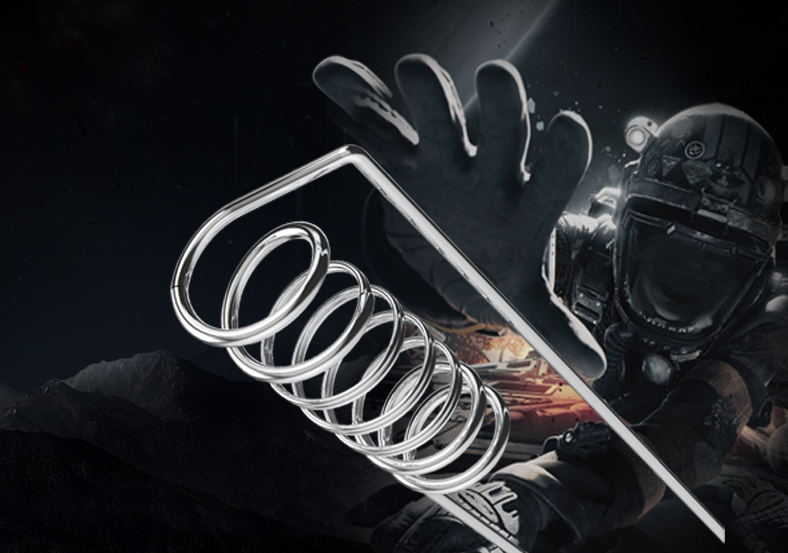
Heating Wire with Welded Steel Sheet Lead Wires. Electrical Connectivity Advantages: 1. Low Impedance and Stable Conductivity - The leads are made of highly conductive materials (such as nickel, stainless steel, or tinned copper wire), welded or crimped integrally with the heating mesh, resulting in low contact resistance (usually <0.05Ω) to ensure rapid current transmission and reduce energy loss. - The lead surface can be treated with anti-oxidation coatings (such as nickel or gold plating), which are not prone to oxidation or blackening during long-term use, maintaining stable conductivity and avoiding atomization failure or power attenuation due to poor contact. 2. Plug-and-Play Convenience - The leads can be directly inserted into the electrode posts of the atomizer core or the socket of the device's mainboard without complex soldering processes, simplifying the assembly process and adapting to fast automated production line assembly to improve production efficiency. - For replaceable atomizer cores (Replacement Coil), users can quickly replace the heating component via the leads, reducing the usage threshold. Structural Design Features: 1. Precision Lead Positioning and Strong Adaptability - The spacing, length, and angle of the leads can be customized according to the atomizer core model (e.g., spacing 2.5mm, length 5-8mm), precisely matching the electrode structures of different brand devices and compatible with various atomizer designs (such as open and closed atomizer cores). - Rigid leads (such as stainless steel) provide structural support to ensure the heating mesh is firmly fixed within the atomizer core, preventing displacement or short circuits caused by vibration. 2. Tensile Resistance and Fatigue Resistance - The leads are made of high-strength metal wire (diameter 0.3-0.8mm), capable of withstanding bending or pulling during assembly (e.g., ≥10 repeated bends without breakage), suitable for high-frequency replacement scenarios. - Flexible lead designs (such as multi-stranded twisted wires) can adapt to special-shaped atomizer core structures, enhancing installation flexibility and reducing fracture risks caused by stress concentration. Performance Optimization Advantages: 1. Rapid Heat Conduction and Temperature Uniformity - As part of the heat conduction path, the leads assist the heating mesh in rapid temperature rise (reaching operating temperature within 0.2 seconds). Meanwhile, optimized lead layout (such as symmetrical distribution) makes the heat distribution on the mesh surface more uniform (temperature difference ≤5℃), reducing core burning issues caused by local overheating. 2. Anti-Leakage and Airflow Optimization - The sealing design of the leads with the atomizer core cavity (such as silicone O-rings wrapping the leads) prevents e-liquid leakage from the electrode holes. Combined with the porous structure of the mesh (pore size 50-100μm), it balances the efficiency of oil conduction and storage, improving anti-leakage performance. - The lead position avoids the main airflow channel to reduce airflow resistance, ensuring smooth smoke discharge while preventing lead corrosion caused by contact with condensate. Durability and Safety: 1. Corrosion Resistance and Long Lifespan - The lead materials are resistant to e-liquid corrosion (such as 316 stainless steel resistant to VG/PG corrosion) and not prone to rust in high-humidity environments, with a service life of 500-800 puffs (approximately 3-5ml of e-liquid), an increase of over 20% compared to traditional heating wire components. - The lead welding points use laser welding technology with high bonding strength (tensile force ≥5N), avoiding solder joint detachment caused by thermal expansion and contraction during long-term use. 2. Overload Protection Compatibility - The leads can integrate temperature sensors (such as NTC thermistors) or fuses to monitor the temperature of the heating mesh in real time. When the temperature exceeds the threshold (e.g., 300℃), the power is automatically cut off to prevent safety hazards caused by dry burning, complying with safety standards such as IEC 60650-1. Application Scenario Adaptability: - Closed Pod Systems: Leads adapt to miniaturized electrode interfaces (such as spring-loaded pin types), meeting electrical connection needs in compact spaces, commonly used in disposable atomizer cores or pre-filled e-liquid cartridges. - Open RTA/RDA Atomizers: Long leads (such as over 10mm) support users in self-adjusting welding positions, adapting to personalized modification needs of DIY atomizer cores. Heating meshes with leads address the pain points of traditional heating components (such as bare wires or leadless meshes) in installation convenience, conductivity, and durability through electrical connection innovations and structural optimizations. Their core competitiveness lies in plug-and-play efficient assembly, stable power transmission, anti-leakage design, and long lifespan performance* With the miniaturization and smartization of e-cigarettes, heating meshes with leads will become the mainstream solution, particularly in closed atomizer cores and high-end taste-focused devices. 3.Uniform Heating, Consistent Flavor. Optimized pin layout ensures even heat distribution, reducing hot spots and improving vapor consistency by 50%. 4.Universal Compatibility. Compatible with 5W–30W, suitable for closed/small-vape devices, open-tank systems. 5.Durable & Corrosion-Resistant.
Email More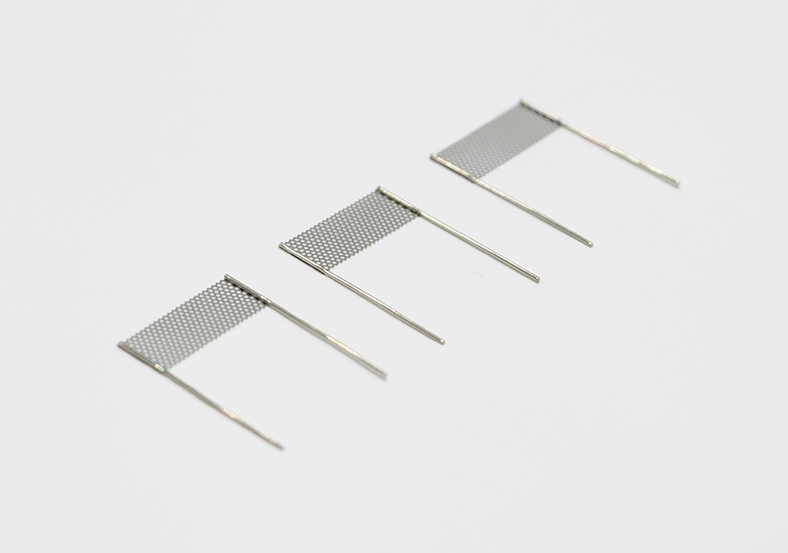
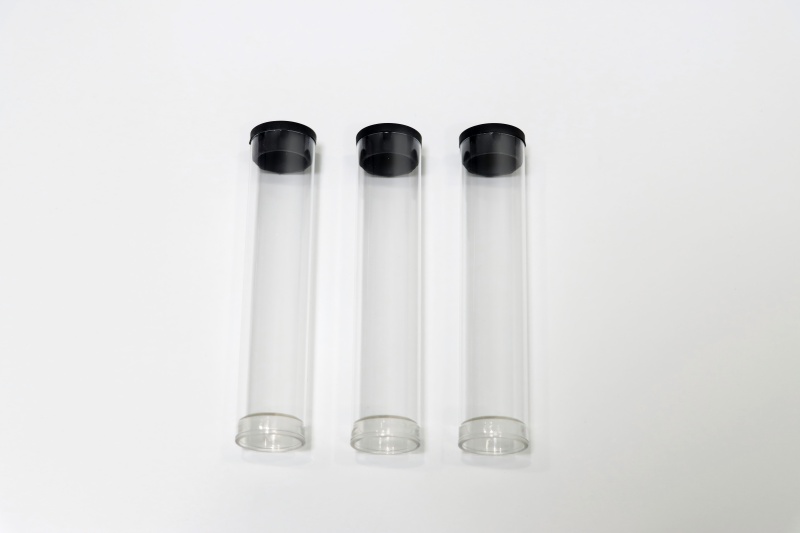
PP Material CBD Packaging Tubes - Non-toxic and Odorless: PP material is inherently non-toxic and odorless, ensuring it does not contaminate CBD products. It meets relevant hygiene standards, making it suitable for packaging food, pharmaceuticals, and other CBD products with high hygiene requirements. - Excellent Moisture Resistance: It has good moisture-proof performance, effectively preventing external moisture from entering the packaging tube and avoiding moisture-induced deterioration of CBD products, thus extending their shelf life. - Environmentally Friendly: PP material is recyclable and environmentally friendly, aligning with modern environmental requirements and helping reduce pollution from packaging waste. - Superior Processability: It is easy to process and form, allowing for various shapes and sizes through injection molding, extrusion, and other methods to meet the packaging needs of different CBD products. Additionally, it is convenient for printing and surface treatment, enabling the creation of exquisite patterns, trademarks, and product information on the packaging tube to enhance product aesthetics and market competitiveness. - Cost-Effective: PP material has a relatively low cost, which helps reduce the packaging cost of CBD products while ensuring packaging quality and performance, improving product cost-effectiveness. PC Material CBD Packaging Tubes - High Transparency: PC material has extremely high light transmittance (over 90%), making CBD products inside the packaging tube clearly visible. This allows consumers to easily view the product’s appearance, color, and condition, enhancing product display effects and attracting consumer attention. - High Strength and Toughness: PC tubes have impact resistance 200 times that of glass, capable of withstanding significant external impacts without breaking. They effectively protect CBD products from damage during transportation, storage, and use. Their high toughness also makes them resistant to breaking or deformation, ensuring the integrity of the packaging tube. - High Temperature Resistance: PC tubes can withstand temperatures ranging from -40°C to 135°C, adapting to different environmental temperature conditions. They maintain stable performance in both high-temperature summers and cold winters, without affecting packaging effects or causing adverse impacts on CBD products due to temperature changes. - Good Chemical Resistance: They exhibit strong resistance to various chemical substances, withstanding corrosion from acids, alkalis, and other corrosive materials. This prevents chemical reactions between the packaging tube and CBD products, ensuring product quality and stability. - Aesthetics and Flexibility: PC material can be manufactured in various colors with good gloss, giving packaging tubes an attractive appearance. Its transparency and processability also enable customized designs based on customer needs, such as cutting, bending, and engraving, to meet the personalized packaging requirements of different brands and enhance brand images. 1.Lightweight & Cost-Efficient. 2.Wide-Temp Compatibility. 3.Mass Production & Fast Delivery
Email More